
The story was already there. The brand wasn’t telling it yet.
Devil Dog Ultras already had history, a loyal ultra-running community, an established logo and an extraordinary setting. What it lacked was a brand experience that reflected any of it.
When HDG began working with race director, the existing identity lived primarily on a race shirt, hat and basic event banner. The race itself had far more character than the branding surrounding it.
Rather than forcing Devil Dog into a complete rebrand before the organization was ready, HDG started with what was already authentic—the race, its location, its community and the language runners used to describe it.
We began building the brand from the experience outward.
Evolving the brand without abandoning what already mattered
HDG was not asked to replace the existing Devil Dog logo, and the client was not looking for an immediate wholesale transformation.
We listened.
Instead of treating the current identity as something that had to disappear before progress could happen, HDG began strengthening everything around it—introducing tougher visual language, new messaging, environmental graphics and more meaningful participant touchpoints while preserving enough continuity for the existing community.
That approach allowed the brand to evolve at a pace that made sense creatively and financially.
The goal was never change for the sake of change. It was to uncover what made Devil Dog distinctive and give those qualities a stronger presence.
Finding the brand in the race itself
Devil Dog takes place in Prince William Forest Park, beside Marine Corps Base Quantico, with the event based at historic Cabin Camp 5. During World War II, Camp 5 became OSS Area A-5, part of the park’s use as a training ground for the Office of Strategic Services.
That history gave Devil Dog a meaningful military connection—but the race is open to the broader ultra community, not just veterans or military runners.
HDG introduced that heritage with restraint through imagery, tone and details rather than turning Devil Dog into a military-themed event. We also looked directly to the course for brand assets.
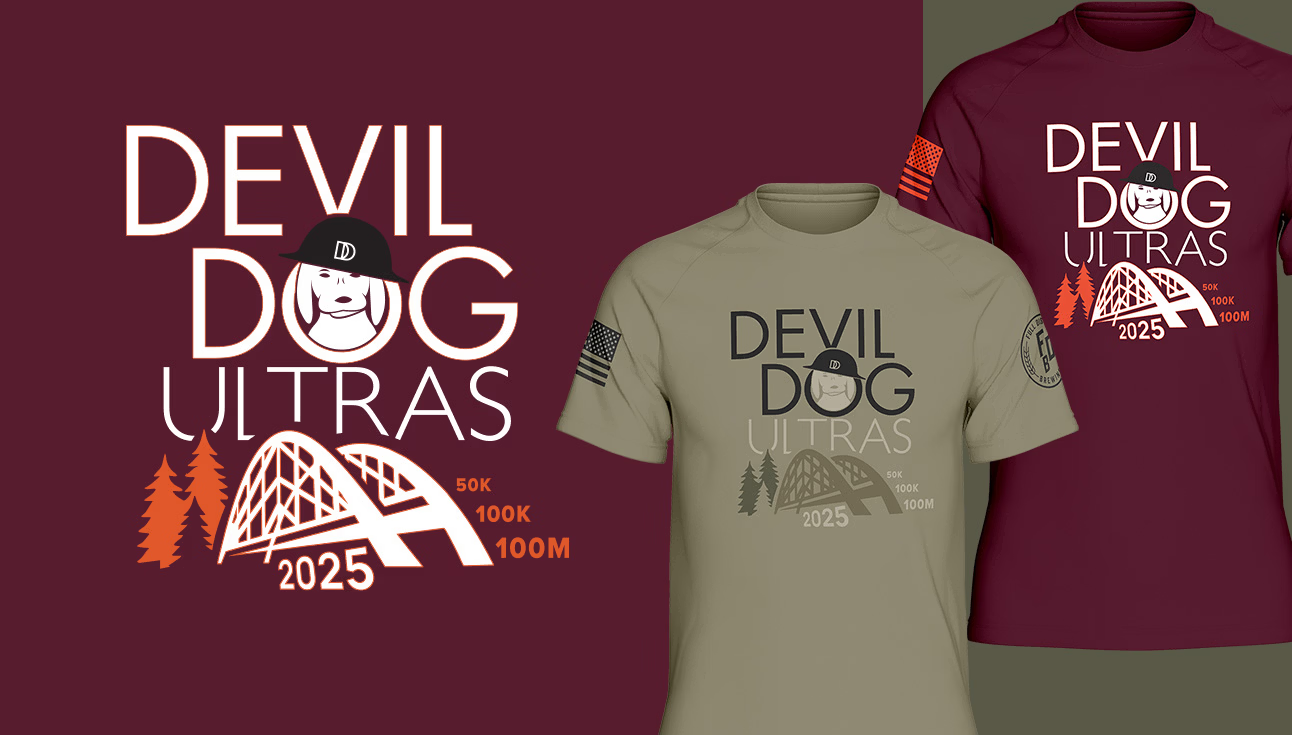
One of its most recognizable features is a narrow wooden bridge runners encounter in the forest. HDG began using that bridge across apparel, awards and promotional graphics, turning something runners actually experience into something they could recognize as uniquely Devil Dog.
A client phrase became brand language
The client described the course with two words:
Sneaky Hard.
The phrase was his. HDG recognized its value.
It captured the deceptively difficult nature of the race and the attitude surrounding it better than generic endurance language ever could.
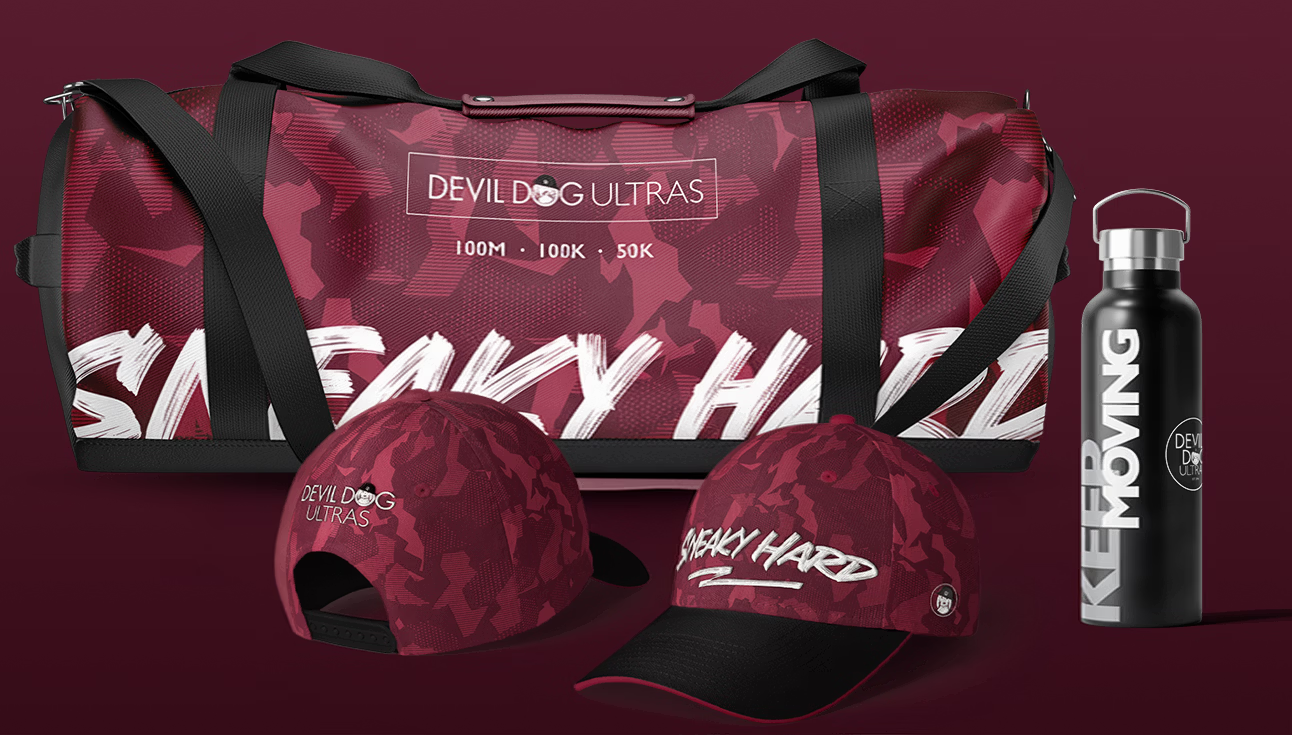
We elevated Sneaky Hard across the new race tent, apparel, awards, environmental graphics and promotional communications. Over time, it has become the unofficial shorthand for the Devil Dog experience.
That became another important part of the brand-building process: not inventing language simply because an agency is expected to, but recognizing when the strongest idea is already sitting inside the client’s own experience.
Building the brand where runners experience it
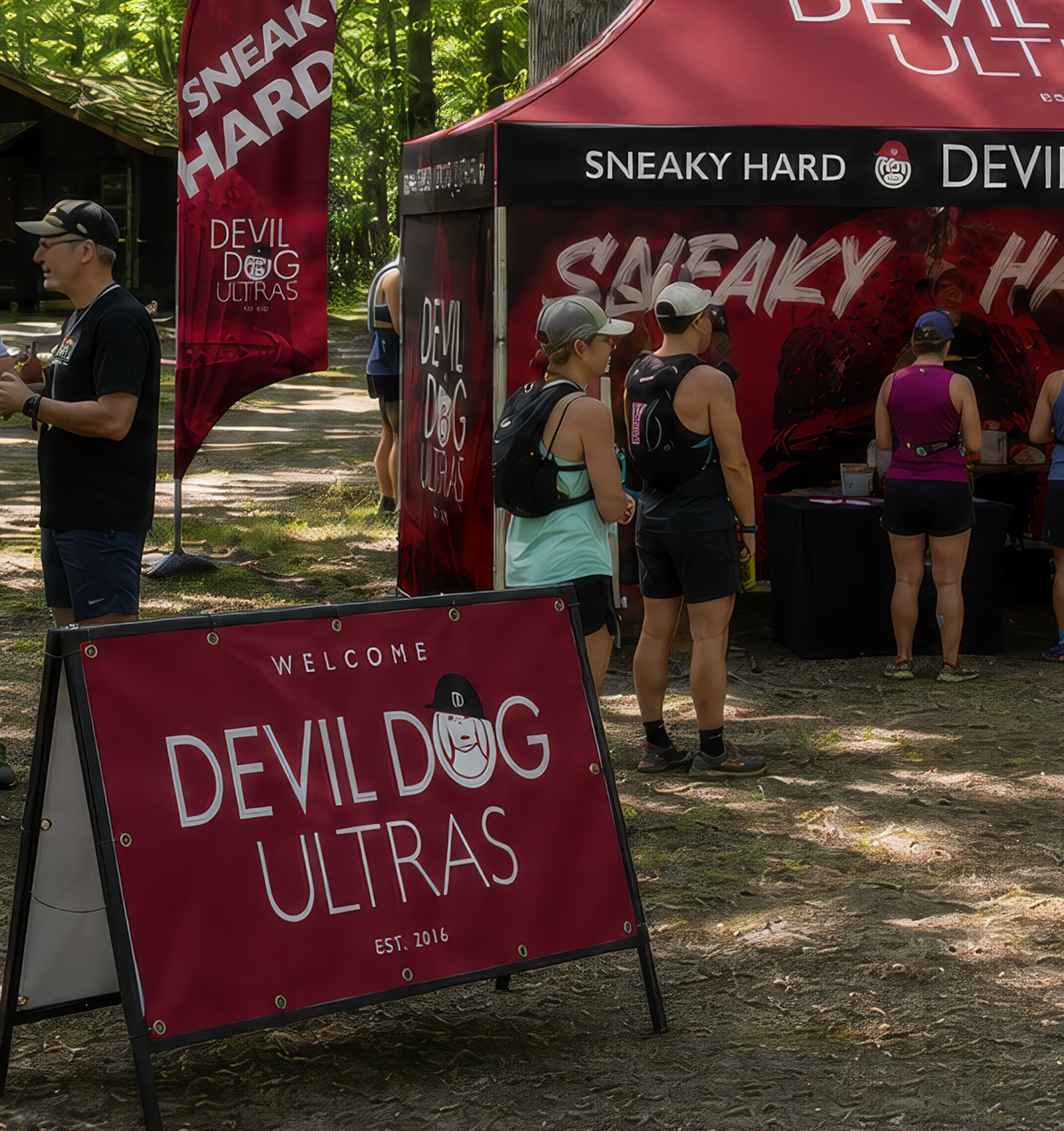
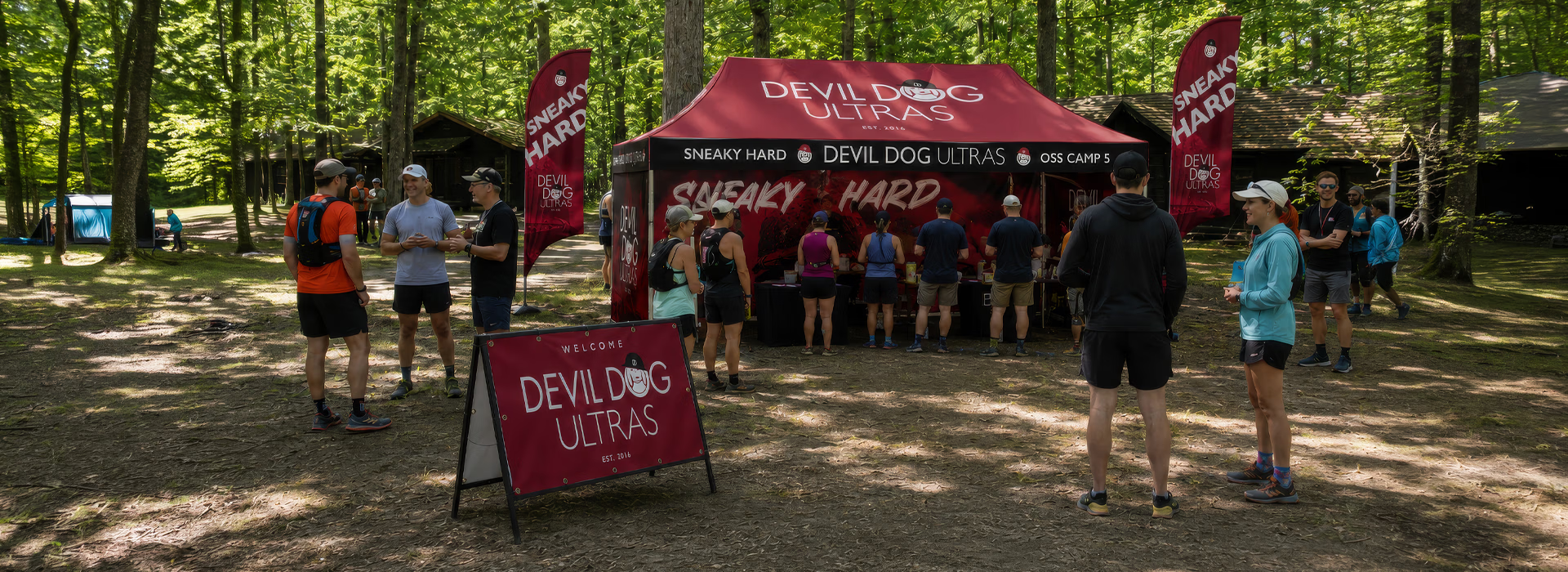
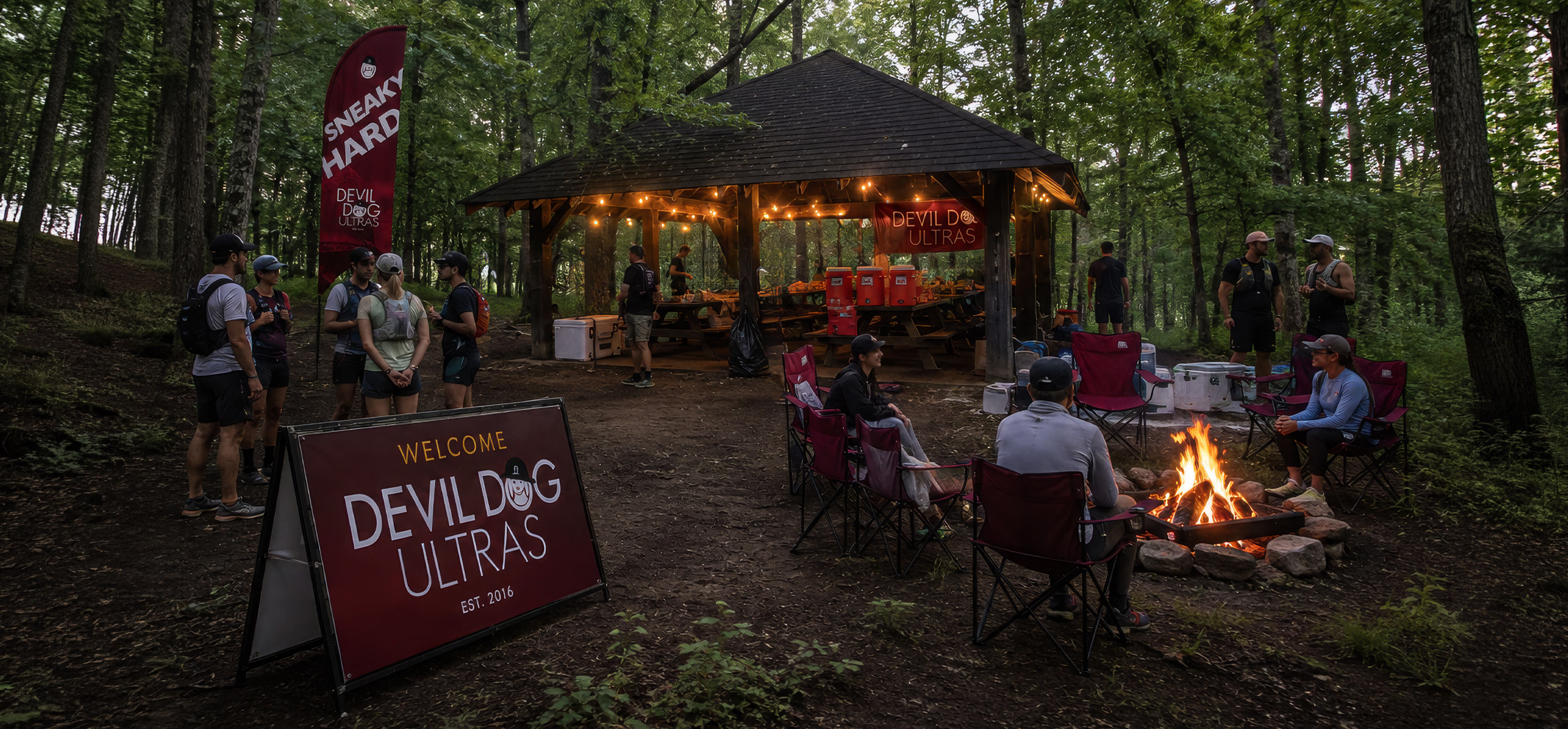
The new event tent became one of the first major expressions of the evolving Devil Dog brand.
HDG retained the established burgundy, black and gray palette while introducing a darker, tougher visual environment. Sneaky Hard became a dominant message, subtle helmet imagery referenced the race’s military history, and real words of encouragement from runners—including veterans—were incorporated across the tent walls.
The result balanced grit with something equally important to ultra running: community.
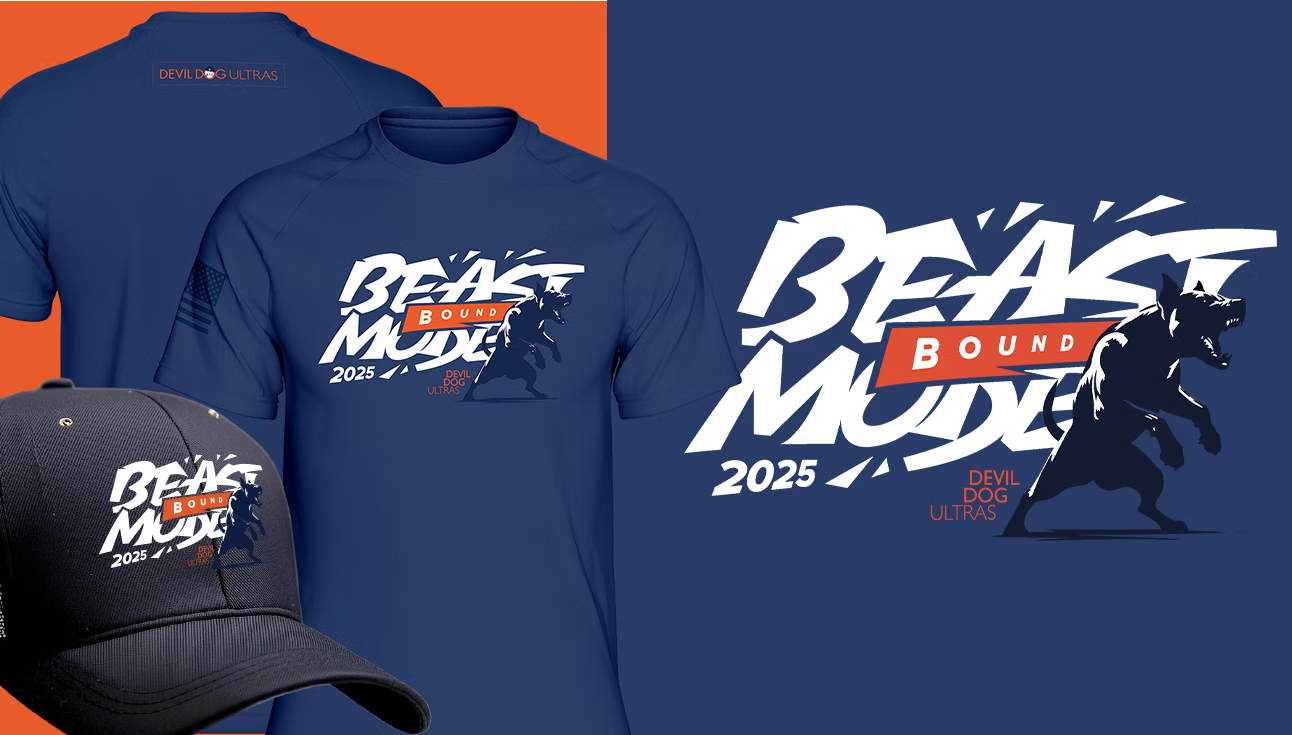
That visual language began extending into signage, social campaigns and apparel. New race shirts introduced the bridge, forest and location as primary visual elements rather than relying only on the existing logo.
Turning the finish into something worth earning
Devil Dog’s race awards became another opportunity to strengthen the brand.
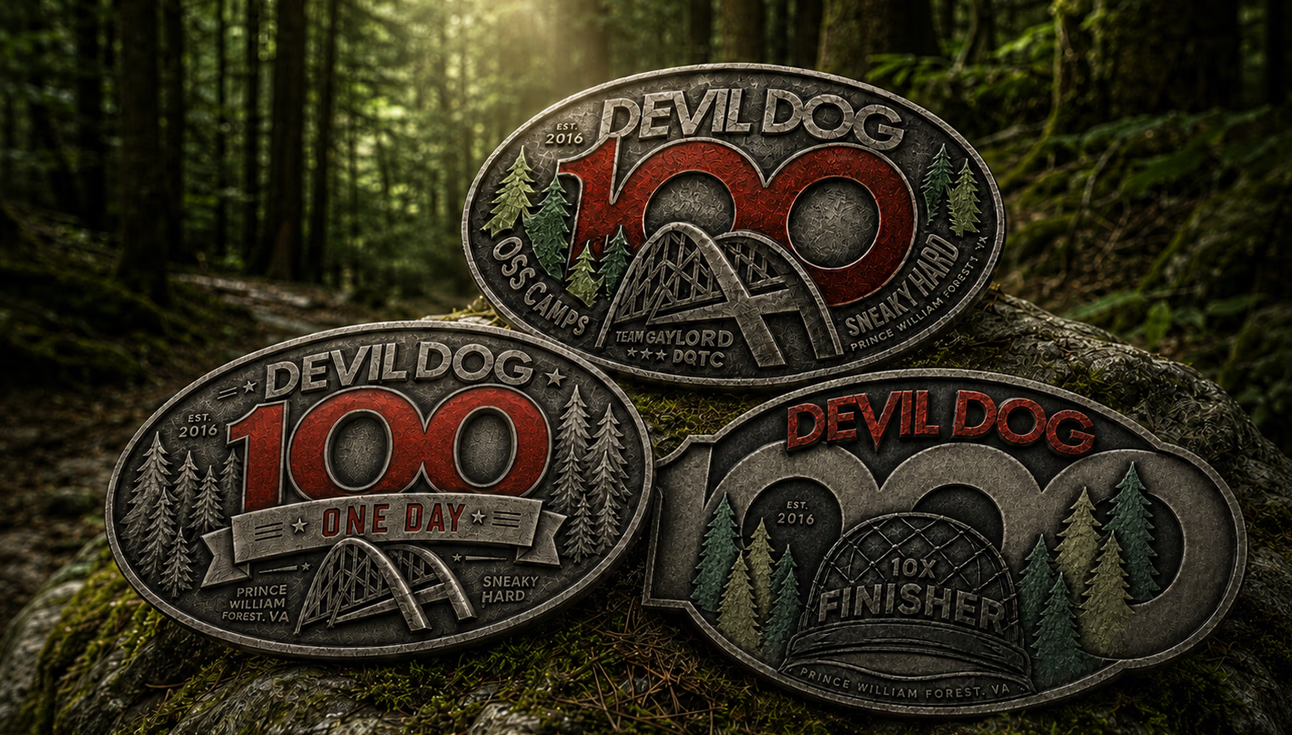
The original 100-mile buckle recognized the achievement, but visually it had little connection to the specific experience of completing Devil Dog.
HDG redesigned the award system around the things that make this race its own.
The new buckles incorporate the bridge, forest, Prince William Forest Park, OSS Camp 5, Sneaky Hard, military references and achievement-specific language across designs for the 100-mile finish, One Day achievement and repeat-finisher recognition.
Instead of generic race hardware, the buckle became an earned piece of Devil Dog—something that carries the place, difficulty and story of the race with it.
Building a brand from experience outward
Devil Dog is still evolving, and that is intentional.
HDG did not arrive with a rigid prescription requiring the client to abandon everything before anything could improve. We worked with the client, understood what wanted and its community were ready for, and began strengthening the places where the brand could have the greatest impact.
The project has established:
· Sneaky Hard as defining Devil Dog race language
· A tougher visual direction built alongside the existing identity
· The course bridge and forest as recognizable brand assets
· Selective military and historical references rooted in the actual location
· A newly branded race-day tent and environmental experience
· New apparel, signage and promotional campaigns
· The Beast Mode Bound achievement identity
· A redesigned family of ultra-finisher and achievement buckles
· A growing system connecting place, difficulty, community and earned accomplishment
Devil Dog Ultras had one banner, one logo—and a much bigger story waiting to be told. We saw a race with far more character than the brand was expressing—and turned its grit, history, place and personality into a brand runners could feel.
Related work
More ways the right thinking, ideas, and capabilities come together.